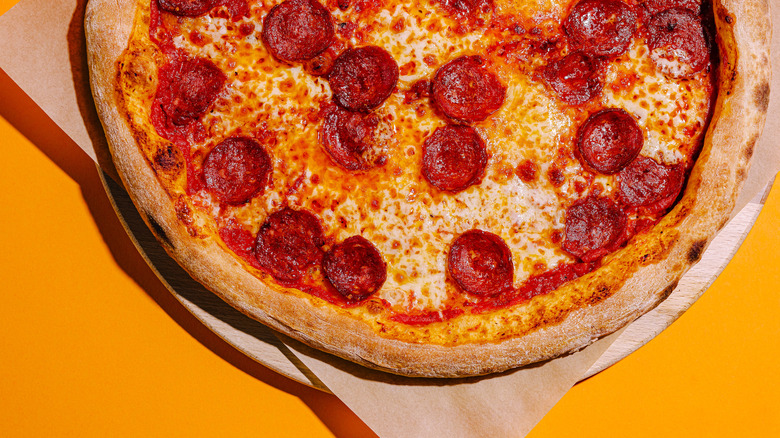
People have been arguing about pineapple on pizza forever. But pepperoni? That’s where most people find common ground — it belongs on a pizza, full stop. The weird part is, it wasn’t always this way. Pepperoni’s actually kind of a new kid on the block when you consider pizza has been around for roughly 3,000 years. For most of that history, you’d never find a pizza with slices of brick-red, smoky sausage on top. It’s only been around for a century. The story of how we went from zero to having pepperonis on nearly ⅓ of pizzas made in the U.S. is, honestly, pretty intriguing.
Original pizzas were rather plain, made with just cheese, fresh tomatoes, maybe some fresh basil or dried oregano scattered on top — that’s it. No savory or meaty ingredient whatsoever. But when Italians brought these Margherita-style pizzas to America, we didn’t stay patient for long before we started to get creative with the toppings.
At this point in history, pizzaiolos were experimenting with different sausages. Cold cuts and cured meats of every kind started appearing in various combinations as people tried whatever seemed good (which was how the Meat Lover’s came into being). Pepperoni was conspicuously absent from all this… and that’s because it took until 1919 for the first pepperoni sausage to be made when people spiced dry salami with paprika and chili powder. Even then, it took until 1950 for the first-of-its-kind pepperoni pizza to show up on the menu of a place called The Spot in Connecticut. The rest was history. Now, about a third of all American pizzas come with pepperoni slices — not bad for something that didn’t even exist on pizza fifty years ago.
The fierce competition for the American pizza pie
Beyond sausage and bacon, pizzerias were hugely creative when it came to new toppings as they tried to appeal to American tastes. Anchovies, for instance, showed up regularly — a direct inheritance from Naples, where they’d long been a standard choice. Mushrooms, too, had a pedigree in Italian pizza culture and found their way onto early American pies.
Thing is, this era of pizza topping diversity never really cohered into a unified menu like we have today. There’s no one topping that really stood out from the rest. Cities, neighborhoods, and even individual pizzerias chose different combinations of toppings depending on what they have and what their customers seemed to enjoy.
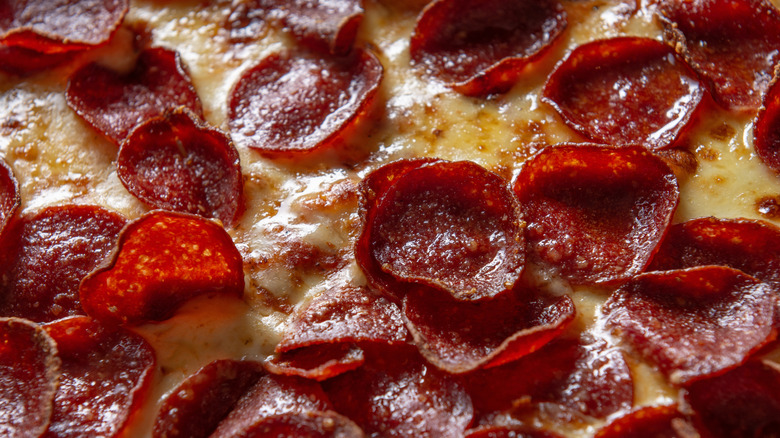
When pepperoni came onto the scene, it hit the jackpot on everything: being delicious aside, it was easy and quick to produce, didn’t require careful handling like fresh ingredients, and better yet, its long shelf life meant it could be shipped across the country without spoiling. When pizza chains like Domino’s and Pizza Hut were expanding rapidly throughout the country in the 1960s, pepperoni became their go-to choice for all these reasons, and with their eventual dominance of the pizza market, pepperoni also became the face of pizza in the U.S. The vintage toppings — sardines, meatballs, and hot dogs — never disappeared, but they lost their chance to become the poster ingredient for the American pizza.