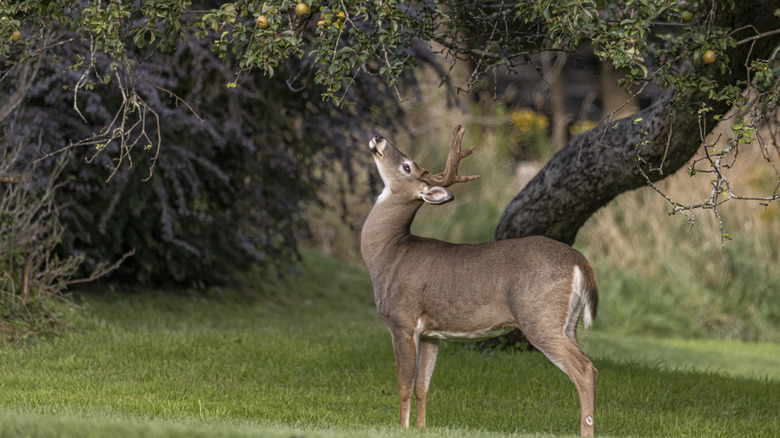
If you’re lucky enough to have thriving fruit trees in your yard, then you probably also know they can be extremely alluring to certain animals and pests, including deer. While these animals may be docile and sweet to look at, they unfortunately can wreak havoc on your garden — unless you find a way to deter them.
Of course, a good approach to keeping pests out of your outdoor space is to try an organic method. Although there are plenty of natural pesticides out there that you can use in your yard without harming the environment, there’s another easy option that’s just as effective and can actually enhance your garden. It’s called companion planting, and it has long been considered an excellent and natural way to deter pests. While there are plenty of options to consider as companion plants to your fruit trees, herbs are particularly effective in warding off deer.
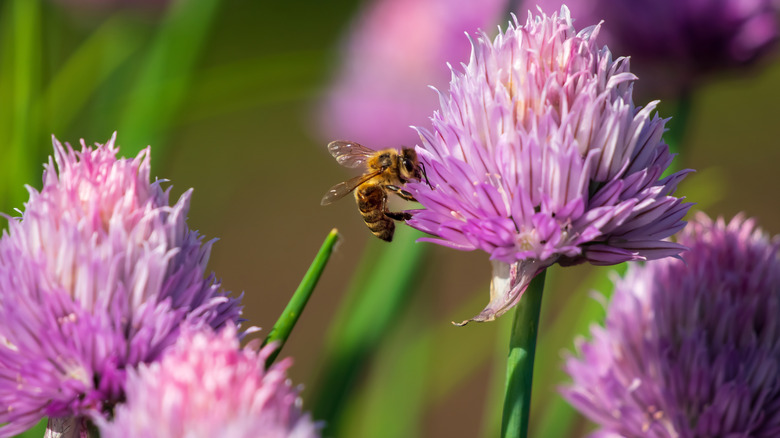
With their sensitive noses, deer are quick to resist things with a strong aroma, and this definitely applies to most herbs. Fragrant plants such as bee balm, a member of the mint family, chives, and hyssop, which is known for its strongly aromatic leaves, are all excellent herbal choices as companion plants for fruit trees. You just need to know how to maximize their effectiveness.
How to use companion plants effectively around fruit trees
To use herbs as companion plants to ward off deer, you should place your herbs of choice underneath your fruit trees. This helps make it difficult for pests to sniff out your fruit trees, because the aroma will be covered by something they find unpleasant. While you can opt for florals like calendula, daffodils, or marigolds, their strong and specific fragrances are what make herbs so effective at preventing deer and other nibblers from finding any sweet snacks on your lawn.
It’s also worth noting that this doesn’t just apply to herbs with heavy scents that can even be divisive among humans. Deer are also resistant to herbs known for their pleasant aromas. Lavender is one example, as is mint — though it’s important to consider that mint can be quite invasive, so don’t commit to this one unless you’re happy for it to spread thoroughly in your garden.
Other great companion plant options to place under your fruit trees include sage, thyme, and yarrow. So, while deer and other pests might be frustrating now, you may want to thank them later. At least they gave some necessary motivation to finally kickstart those herb garden ideas.